If you’re reading this, you’ve probably heard the myth that "you need a lot of money to make money." For decades, the world of stocks, bonds, and compound interest felt like an exclusive club for the wealthy. But as we move through 2026, the barriers to entry have completely crumbled.
At Xenors, we’ve seen how technology and fractional ownership have democratized wealth creation. You don’t need $10,000 to start. You don’t even need $1,000. All you need is $100 and a willingness to learn. This guide isn't just about "where to put your money"—it’s about how to build a financial foundation that lasts a lifetime.
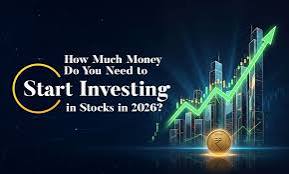
Many beginners fall into the trap of "waiting for the right time" or waiting until they have a "significant amount." Here is the hard truth: Time is more valuable than capital.
Imagine you invest $100 today. If that money grows at 8% annually, it doubles every 9 years. But the real magic happens when you add a Systematic Investment Plan (SIP). By adding just $50 a month to that initial $100, in 20 years, you aren't just looking at a few hundred dollars—you're looking at a portfolio worth over $55,000.
Starting with $100 allows you to make mistakes while the stakes are low. It’s better to learn how the market fluctuates with a small amount than to lose thousands later because you didn't understand your own risk tolerance.
Before you buy your first stock, you need to ensure your "financial house" is in order. Investing is a marathon, and you can’t run a marathon if you have a heavy backpack of high-interest debt.
If you have credit card debt with an 18% interest rate, no investment in the world (consistently) will beat that. Pay that off first. It is a guaranteed 18% return on your money.
Never invest money that you might need for rent or groceries next month. At Xenors, we recommend having at least a small "mini-emergency fund" before putting that $100 into the market. This ensures that even if the market dips tomorrow, you won't be forced to sell your investments at a loss.
In 2026, the landscape of brokerage apps has evolved. You no longer pay $5 or $10 per trade. Today’s best platforms offer:
Pro Tip: Look for platforms that offer "Automatic Reinvestment" (DRIP). This means any dividends you earn are automatically used to buy more shares, accelerating your growth silently.
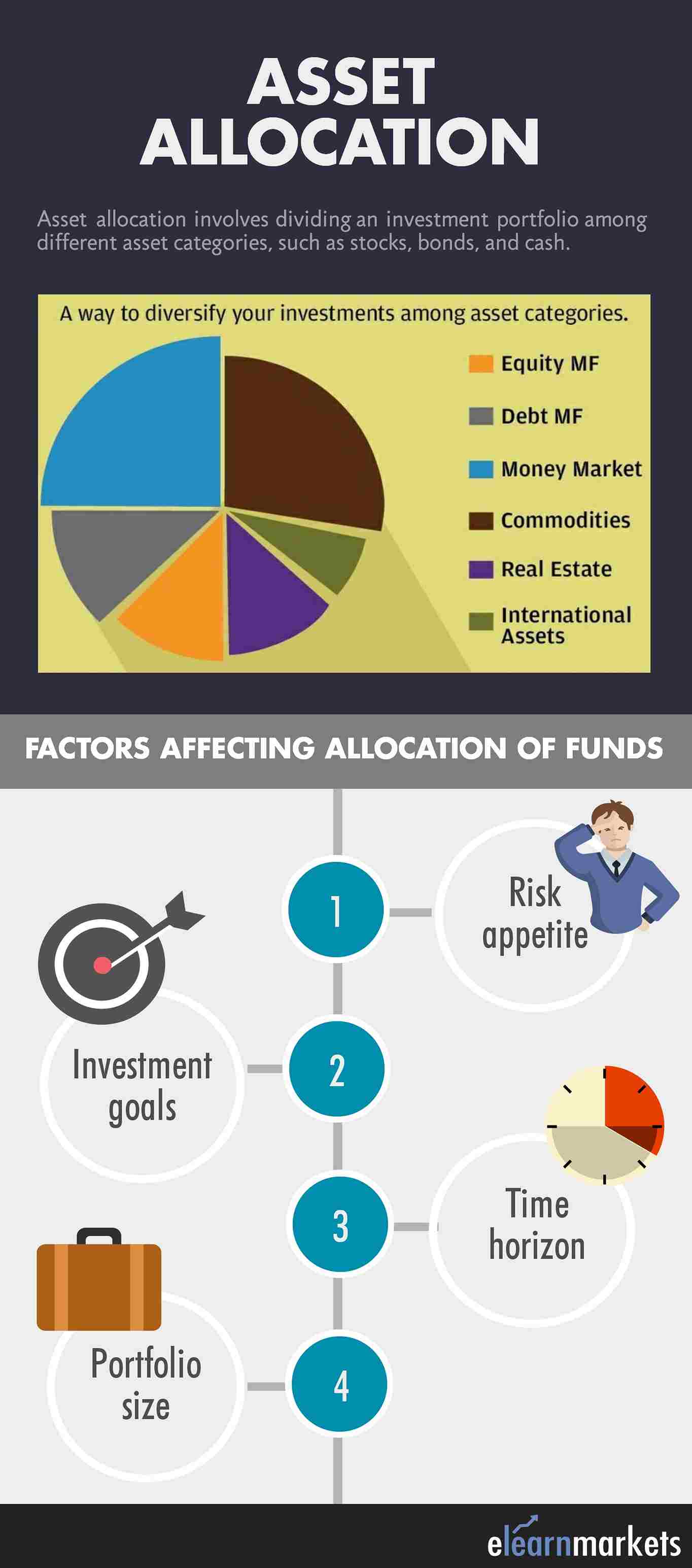
This is where most people get stuck. Should you buy Bitcoin? Should you buy Tesla? Should you buy Gold? The answer for 90% of beginners is: Diversify.
An Exchange Traded Fund (ETF) is like a basket of hundreds of different companies. When you buy one share of an S&P 500 ETF, you are instantly becoming a tiny owner of the 500 largest companies in the US. It’s the ultimate "set it and forget it" strategy.
If you want a bit of excitement, use the 80/20 rule. Put $80 of your $100 into a broad market index fund (The Core). Use the remaining $20 to buy a fractional share of a company you believe in or a small amount of a digital asset (The Satellite). This satisfies your urge to "pick winners" while keeping your main savings safe.
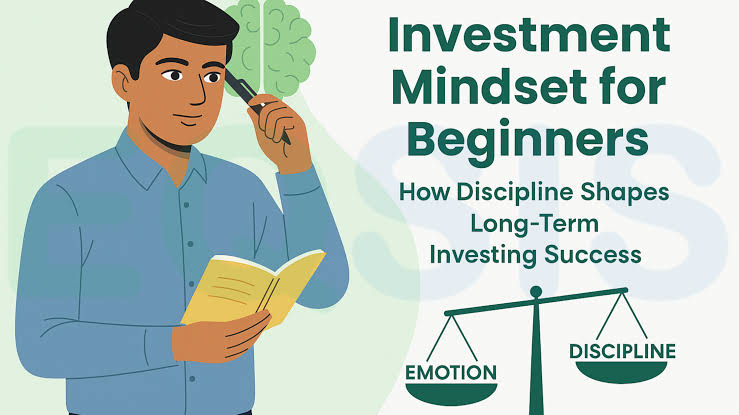
The biggest enemy of a successful investor isn't the market—it's human emotion. We get scared when prices drop and greedy when they rise. Automation removes the human element.
In 2026, you can set up "Auto-Stash" features. You can tell your app to take $10 from your bank account every Monday morning. You won’t even notice $10 is gone, but by the end of the year, you’ve invested over $500 without ever having to think about it.
At Xenors, we call this "Financial Zen." When your wealth building happens in the background, you can focus on your career, your family, and your life.
Markets do not go up in a straight line. There will be weeks where your $100 becomes $90. Most beginners panic and withdraw their money. Don’t.
In fact, when the market is "down," your $10 is actually buying more shares. Think of it as a clearance sale at your favorite store. Successful investors look at market dips as opportunities to lower their average cost.
Only invest money that you do not plan to touch for at least 5 years. This gives the market enough time to recover from any short-term "noise" or economic hiccups.
Investing isn't just about buying luxury cars or early retirement (though those are nice). It’s about freedom. Freedom to choose the work you love, freedom to help your family, and freedom from the stress of a paycheck-to-paycheck life.
By starting with $100 today, you are telling yourself that your future self is worth more than a fancy dinner or a new pair of shoes today. You are shifting from being a consumer to being an owner.
So, you have $100. What exactly should you do in the next 24 hours? Here is your checklist:
The best time to plant a tree was 20 years ago. The second best time is today. Take the leap, start your journey, and let's build something great together.
Disclaimer: This guide is for educational purposes and does not constitute professional financial advice. Always consult with a certified financial advisor before making significant investment decisions. The world of finance carries inherent risks, and past performance is never a guarantee of future results.