Google Search Agents Are Here: What They Mean for SEO, Websites & Traffic in 2026
Google Search agents can monitor the web in the background and deliver synthesized updates. Here is what publishers, SEOs and website owners should change in 2026.
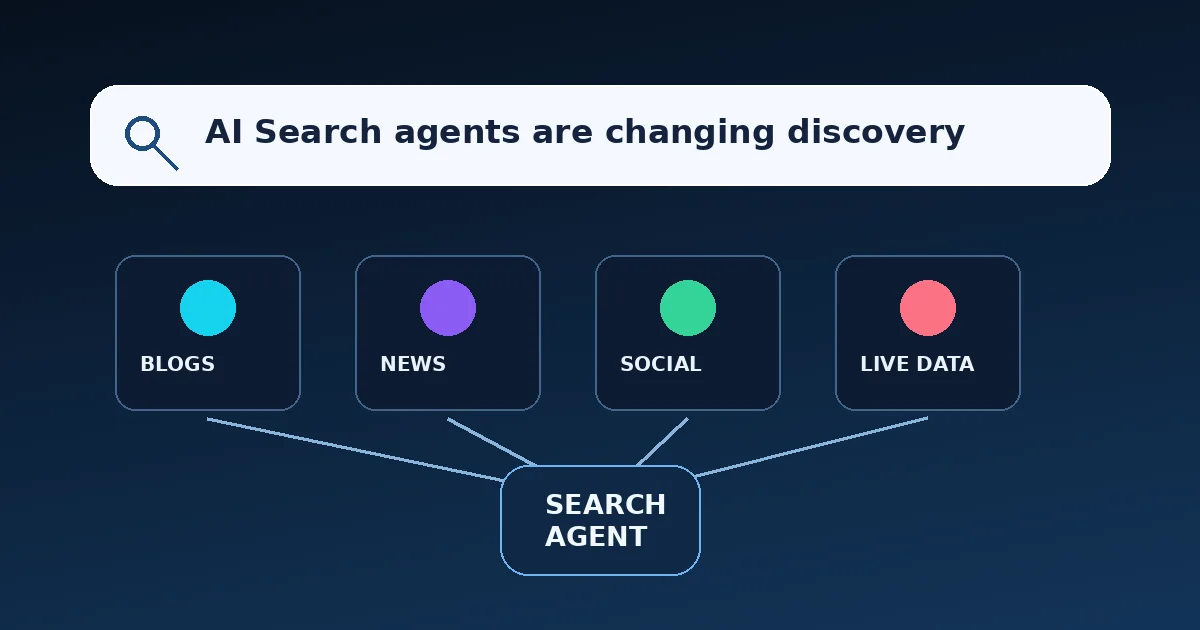
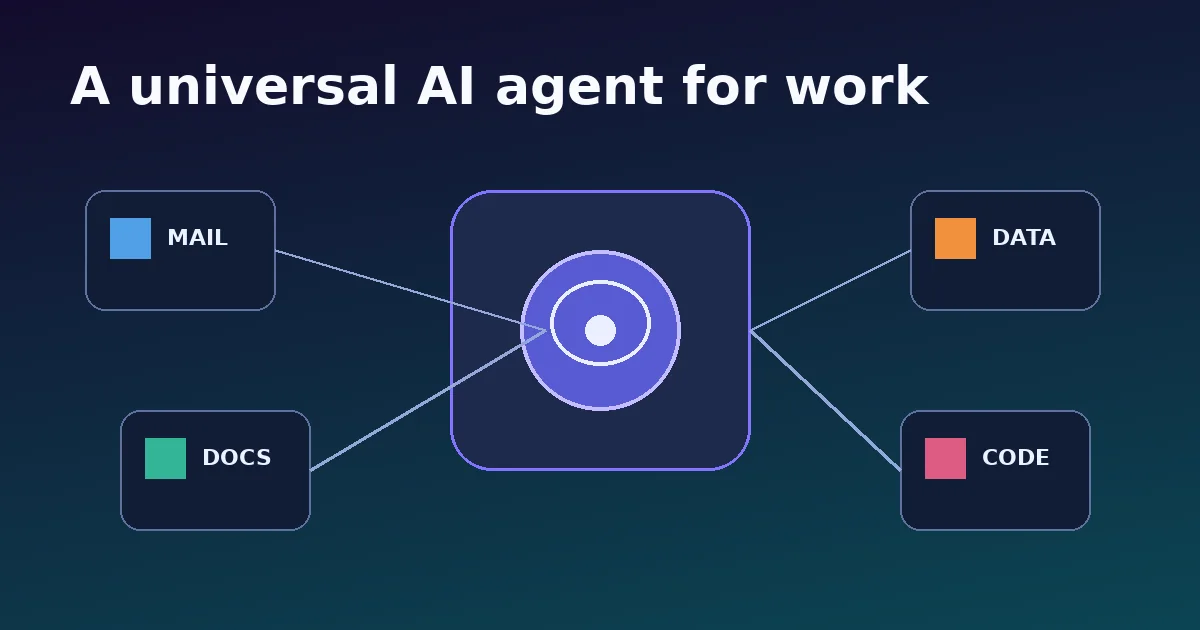
Google’s 2026 Search updates move beyond a search box that only returns results. Google introduced Search agents, beginning with information agents that can work in the background, monitor changing information and send synthesized updates. Google says these agents can reason across blogs, news sites, social posts and fresh data such as finance, shopping and sports.
This article focuses on what changed, why it matters, the practical implications and the limits that are easy to miss in launch headlines.
What Google Search agents actually are
Google’s 2026 Search updates move beyond a search box that only returns results. Google introduced Search agents, beginning with information agents that can work in the background, monitor changing information and send synthesized updates. Google says these agents can reason across blogs, news sites, social posts and fresh data such as finance, shopping and sports.
The important point for publishers is that the agent is not limited to answering one query once. A user can create an ongoing information task, and Search can continue looking for updates. That changes the discovery journey: a page may be found because it contains a fresh fact, a unique explanation, a useful image or a source that helps the agent complete an ongoing task.
Google also reported that AI Mode had passed one billion monthly users and that its queries were more than doubling every quarter at the time of the I/O announcement. That does not mean classic search disappears. It means publishers now compete for visibility across blue links, AI Overviews, AI Mode, Discover and emerging agentic experiences.
Does this mean SEO is dead?
No. Google Search Central’s own guidance says foundational SEO best practices remain relevant to generative AI features. Crawlability, useful pages, accurate titles, internal linking, descriptive text, quality images and structured data still help Google understand and retrieve content.
What changes is the quality bar. If an agent can synthesize ten generic pages into one answer, a generic eleventh page has little reason to be selected. The strongest opportunity is content that adds something the web does not already say clearly: original examples, first-hand testing, a useful table, screenshots, local detail, fresh data, expert analysis or a concise explanation that other pages make difficult.
This is why ‘write for AI’ is the wrong mental model. Write something a person would bookmark or cite, then make the page technically easy for Search systems to crawl, understand and surface.
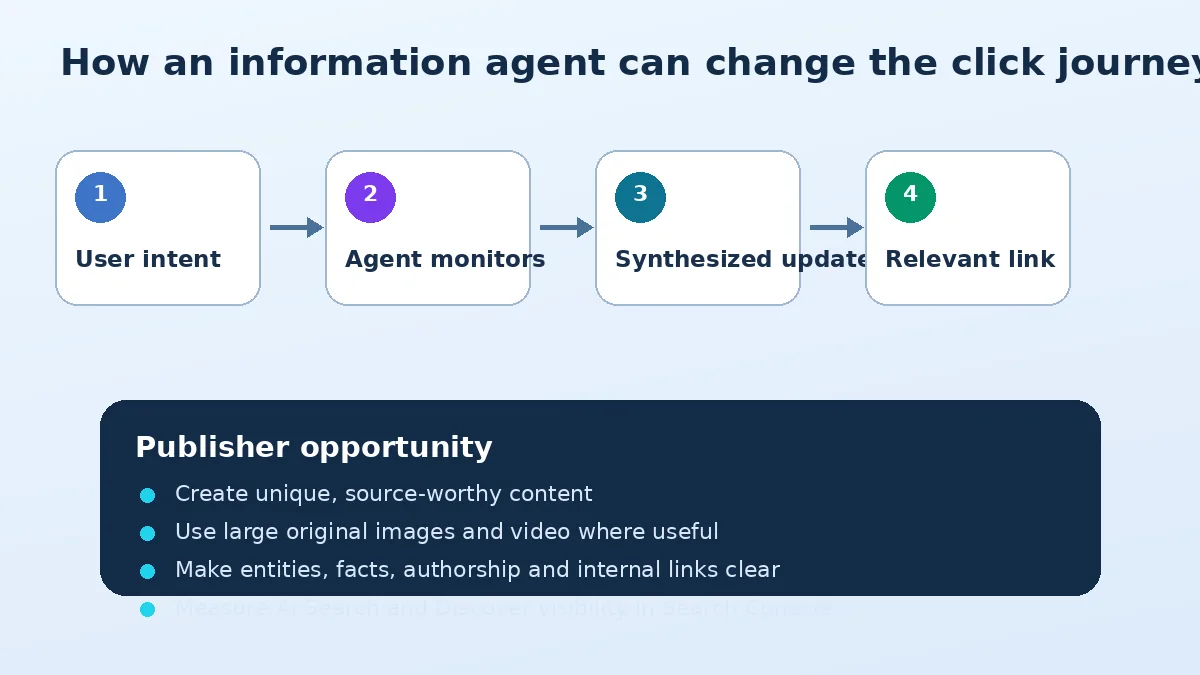
How AI search can change website traffic
Agentic Search can reduce some low-intent clicks because the user may receive a direct synthesized answer. At the same time, it can create more qualified clicks when a user wants detail, evidence, a tool, a product, a source or a next action. Google has repeatedly emphasized links and supporting articles inside its AI experiences.
For a publisher, traffic quality may matter more than raw click volume. A visitor who arrives after an AI answer has already filtered the topic could be further down the research journey. Pages should therefore make the next step obvious: a calculator, original data, downloadable checklist, comparison table, product page, newsletter or related guide.
The practical goal is to be useful enough to earn inclusion and compelling enough to earn the click.
What Xenors and other publishers should change now
First, build topic clusters rather than isolated posts. A strong hub about AI Search can link to detailed pages about Search agents, AI Mode, Discover, Search Console reporting and image optimization. This gives crawlers clear relationships and gives users a reason to continue reading.
Second, strengthen visible authorship and sourcing. Timely AI topics change quickly. Show the author, publication date, update date and official sources. When a fact is time-sensitive, link to the announcement instead of presenting it as timeless knowledge.
Third, use original 1200-pixel-wide images where they genuinely help. Large images are useful for Search and Discover presentation, and Google’s publisher guidance continues to emphasize strong visual content. Avoid using the same generic AI image across twenty posts.
Fourth, make your first screen answer the query. Long introductions that delay the answer are weak in both classic and AI Search. A concise ‘what changed’ box followed by deeper analysis is better.
Fifth, review Search Console’s generative AI and Discover views. Google rolled out dedicated reporting for visibility in generative AI features, making it possible to monitor impressions and performance instead of guessing.
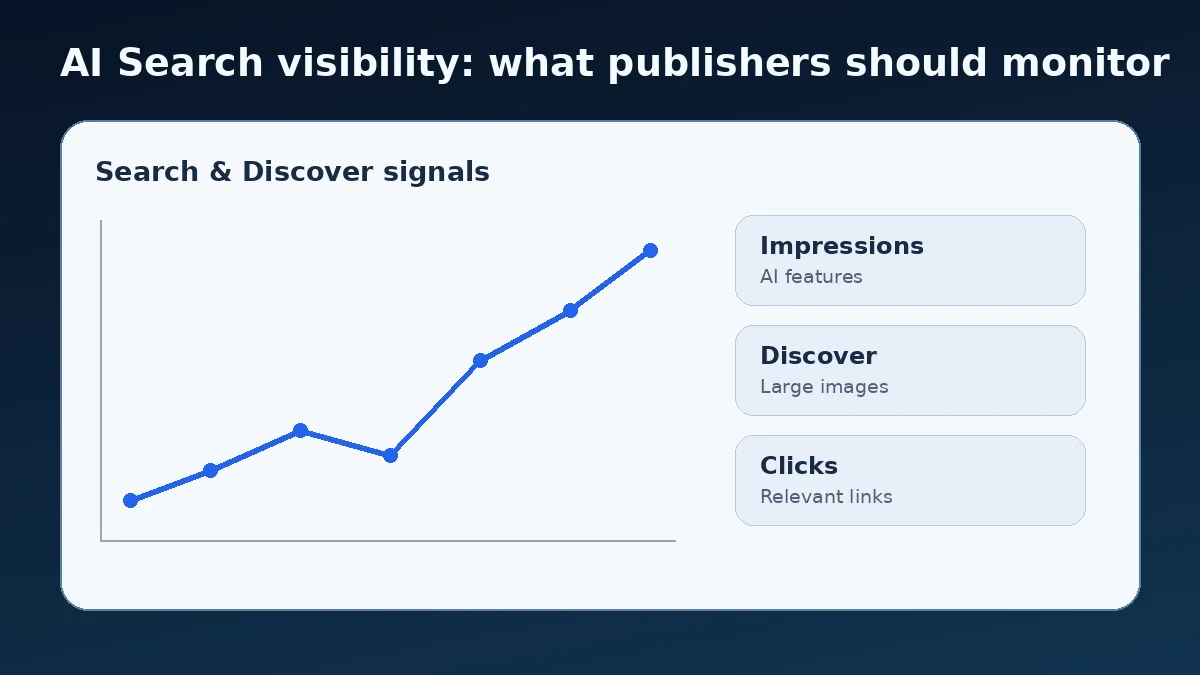
A 2026 AI Search SEO checklist
Use one canonical URL for each search intent. Avoid publishing six near-duplicate variations of the same article. Write a unique title and H1 that state the topic naturally, and use related phrases in sections only where they help the reader.
Make important information available in HTML, not only inside images or scripts. Provide descriptive alt text for meaningful visuals. Keep navigation and internal links crawlable. Add Article or BlogPosting structured data when it accurately represents the page, but do not expect schema alone to create rankings.
Update pages when the product changes. Fast-moving AI articles can become stale within weeks. A visible update policy is more valuable than changing a date without improving the page.
Finally, create reasons to visit the site that cannot be fully summarized: interactive calculators, original tests, downloadable templates, screenshots, comparisons and first-hand experience.
What not to do
Do not create fake ‘AI agent schema’ or hidden crawler-only sections. Google Search Central has specifically pushed back on the idea that a new secret GEO or AEO markup replaces normal SEO.
Do not stuff phrases such as ‘AI search agents’ into every heading. Search systems understand related language. Repetition that makes the article awkward can reduce usefulness.
Do not assume a Discover spike can be guaranteed. Discover is personalized and volatile. Strong, timely, visual content increases eligibility, but there is no switch that forces Google to distribute a post.
Bottom line
Google Search agents make the web more useful as a live knowledge layer, not less important. The sites most likely to benefit are the ones that provide distinctive information and make it easy for Search systems to understand where that information comes from.
For Xenors, this creates a practical editorial opportunity: publish fast on important AI Search changes, cite primary sources, use unique large visuals, build clusters around the topic and give readers a useful next step beyond the summary.
AI Search Readiness Check
Use this quick self-check to see whether a page has the basic qualities that make it easier to understand and worth citing.
Frequently Asked Questions
What are Google Search agents?
They are agentic Search experiences that can monitor information and work in the background. Google began with information agents that look across web sources and fresh data to provide ongoing synthesized updates.
Do Google Search agents hurt SEO traffic?
They may change click patterns, but Google still surfaces supporting links and recommends the same core SEO foundations. Pages that add unique value have a stronger reason to be cited or clicked.
How do I optimize for AI Search in 2026?
Focus on unique useful content, crawlability, strong internal linking, original visuals, accurate structured data, visible sourcing and first-hand information.
Can Google Discover traffic be guaranteed?
No. Discover is personalized and distribution cannot be guaranteed. Large original images, timely useful content and clear editorial quality improve eligibility, not certainty.
Primary Sources
- Google Search — A new era for AI Search
- Google Search Central — Optimizing for generative AI in Search
- Google Search Central — Generative AI performance reports
- Google — New opportunities, control and insights for website owners