
Understand the definition of data science, its lifecycle, common roles, tools and real-world applications with a practical end-to-end example. Work through the the discipline? Definition, Lifecycle & Uses examples in order, then change one assumption and explain whether your interpretation still holds. This page targets the practical intent behind the discipline, not repetition of the phrase itself.
Editorial note: Publication metadata for What Is Data Science? Definition, Lifecycle & Uses is intentionally unset until this URL is actually released; the lesson already includes its own examples, CSV and notebook.
Understand the role of the discipline? Definition, Lifecycle, and Applications in the data-science workflow
A manufacturing plant that wants to reduce unplanned downtime might combine sensor data, maintenance history and operator notes. The project succeeds only if the final model helps maintenance teams schedule useful interventions rather than simply reporting a high accuracy score.
- Data science turns raw observations into decisions by combining statistics, programming and domain knowledge.
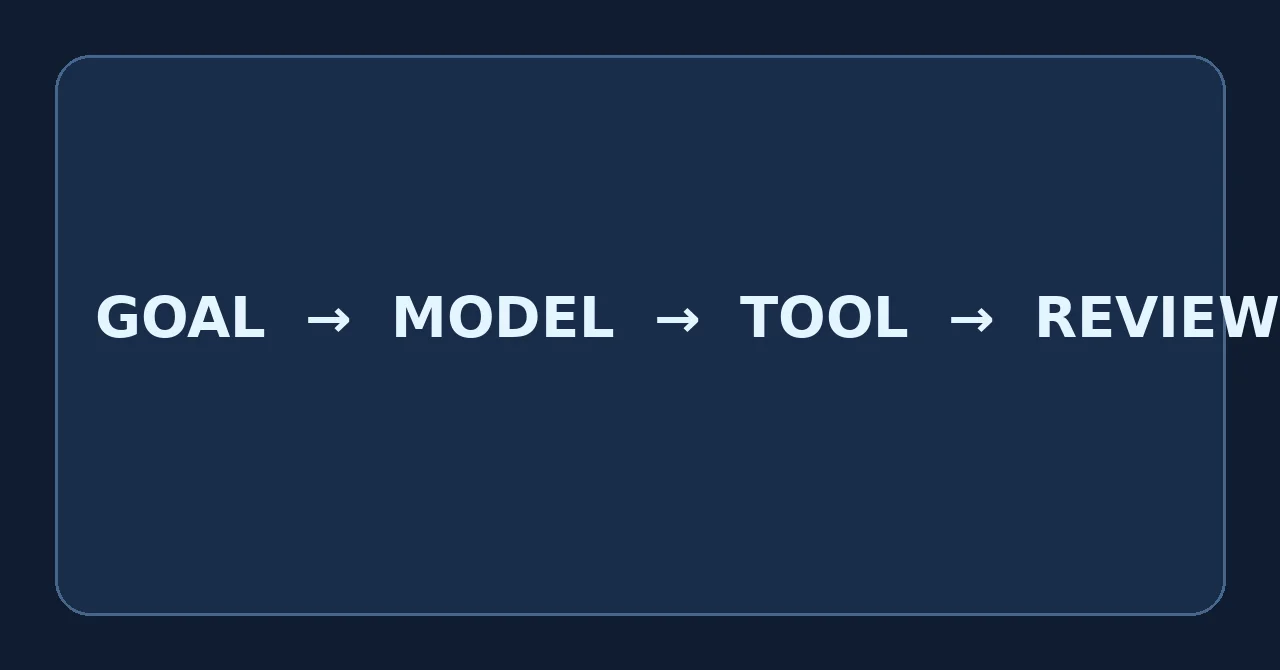
- A useful lifecycle starts with a decision question, not a model: define the problem, collect data, clean it, explore it, model only when needed, then monitor the result.
- Descriptive analysis explains what happened; predictive modeling estimates what may happen; prescriptive work compares possible actions.
- A technically accurate model can still fail if the target, time window or business metric does not match the decision being made.
Connect the idea to a concrete decision
For the discipline? Definition, Lifecycle & Uses, predict one visible result before each snippet runs—a row count, shape, statistic, ranking or error pattern—then compare it with the printed checkpoint.
# the discipline? Definition, Lifecycle & Uses · example 1
import pandas as pd

df = pd.DataFrame({'visits':[8,12,7,18], 'purchases':[1,2,0,3]})
df['conversion_rate'] = df['purchases'] / df['visits']
print(df[['visits','purchases','conversion_rate']])the discipline? Definition, Lifecycle & Uses checkpoint 1: Run the cell and inspect the printed values before changing anything.
# the discipline? Definition, Lifecycle & Uses · example 2
import pandas as pd

df = pd.read_csv('practice.csv')
print(df.shape)
print(df.dtypes)
print(df.head(3).to_string(index=False))the discipline? Definition, Lifecycle & Uses checkpoint 2: (30, 5) Column types are printed, followed by the first three rows.
# the discipline? Definition, Lifecycle & Uses · example 3
missing = df.isna().sum().sort_values(ascending=False)
print(missing[missing.gt(0)])the discipline? Definition, Lifecycle & Uses checkpoint 3: Only columns with at least one missing value are listed.
# the discipline? Definition, Lifecycle & Uses · example 4
summary = df.select_dtypes('number').agg(['count','mean','median','min','max']).T
print(summary.round(2))the discipline? Definition, Lifecycle & Uses checkpoint 4: A compact numeric summary appears with one row per numeric column.
# the discipline? Definition, Lifecycle & Uses · example 5
test = df.copy()
if len(test):
    test.iloc[0, 0] = test.iloc[0, 0]
print('rows:', len(test), 'duplicates:', test.duplicated().sum())the discipline? Definition, Lifecycle & Uses checkpoint 5: The row count and duplicate count make the check visible instead of implicit.
Use a small reproducible example
Descriptive analysis explains what happened; predictive modeling estimates what may happen; prescriptive work compares possible actions.
A technically accurate model can still fail if the target, time window or business metric does not match the decision being made.
Self-check with answers
For the discipline? Definition, Lifecycle & Uses, what result should you be able to explain without the code?
Data science turns raw observations into decisions by combining statistics, programming and domain knowledge.
Which assumption matters most in this the discipline? Definition, Lifecycle & Uses exercise?
Descriptive analysis explains what happened; predictive modeling estimates what may happen; prescriptive work compares possible actions.
What failure mode would make this the discipline? Definition, Lifecycle & Uses result untrustworthy?
A technically accurate model can still fail if the target, time window or business metric does not match the decision being made.
Check your understanding with a changed input
Try it yourself workspace
Edit this the discipline? Definition, Lifecycle & Uses starter, copy it, and run it in the downloadable notebook or your local Jupyter environment.
Questions specific to this lesson
Why is the discipline? Definition, Lifecycle, and Applications useful in data science?
Data science turns raw observations into decisions by combining statistics, programming and domain knowledge.
What should a beginner understand first?
A useful lifecycle starts with a decision question, not a model: define the problem, collect data, clean it, explore it, model only when needed, then monitor the result.
What is an easy way to practise it?
Use the downloadable dataset and notebook, predict one result before running the code, then change one input and explain why the output changes.
What mistake should I avoid?
A technically accurate model can still fail if the target, time window or business metric does not match the decision being made.
Primary references and further reading
For the discipline? Definition, Lifecycle & Uses, use these primary references when exact syntax, defaults or formal definitions matter beyond the examples on this page.