Xenors AI Agents Guide • 2026
AI Agent Guardrails: How to Keep Autonomous Workflows Safe in 2026
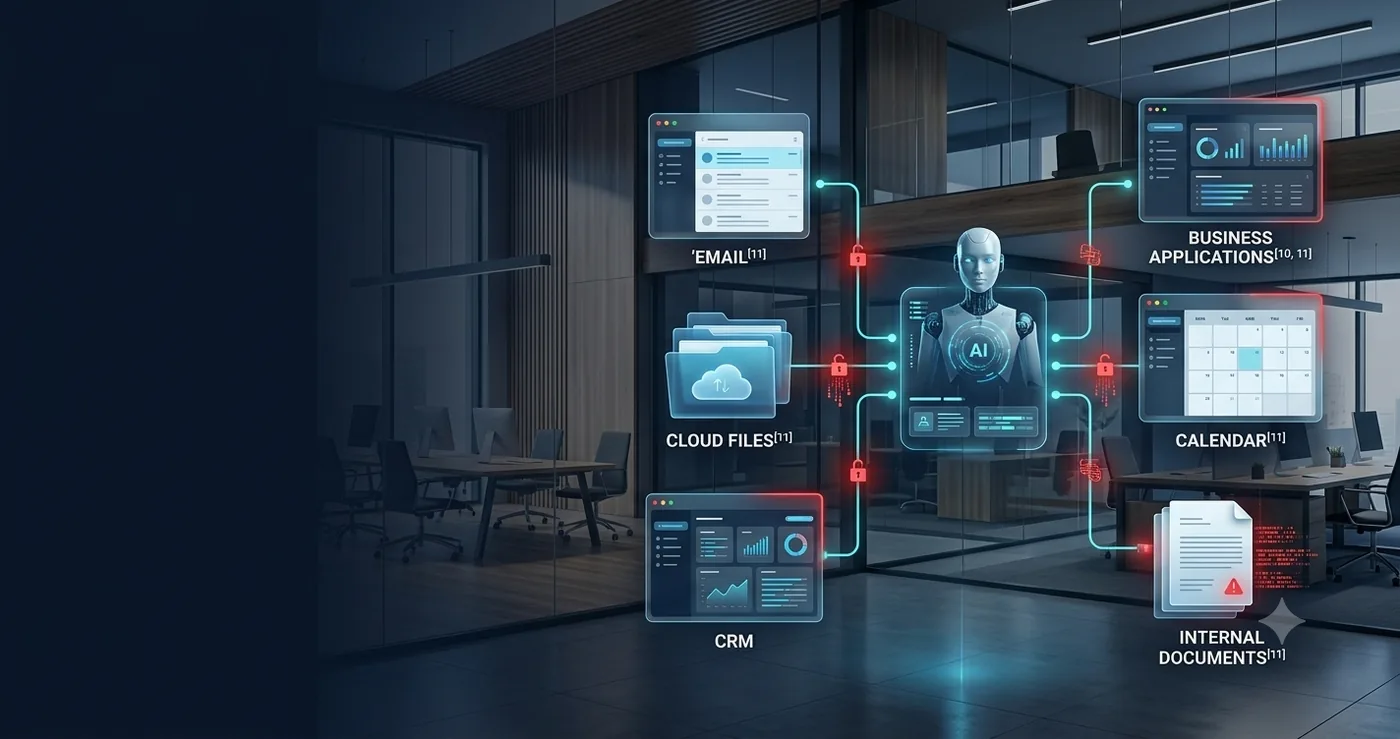
Agent guardrails are system controls around what an AI can see, decide and change, not just a sentence in a prompt.
Agent guardrails are system controls around what an AI can see, decide and change, not just a sentence in a prompt.
How It Works in Practice
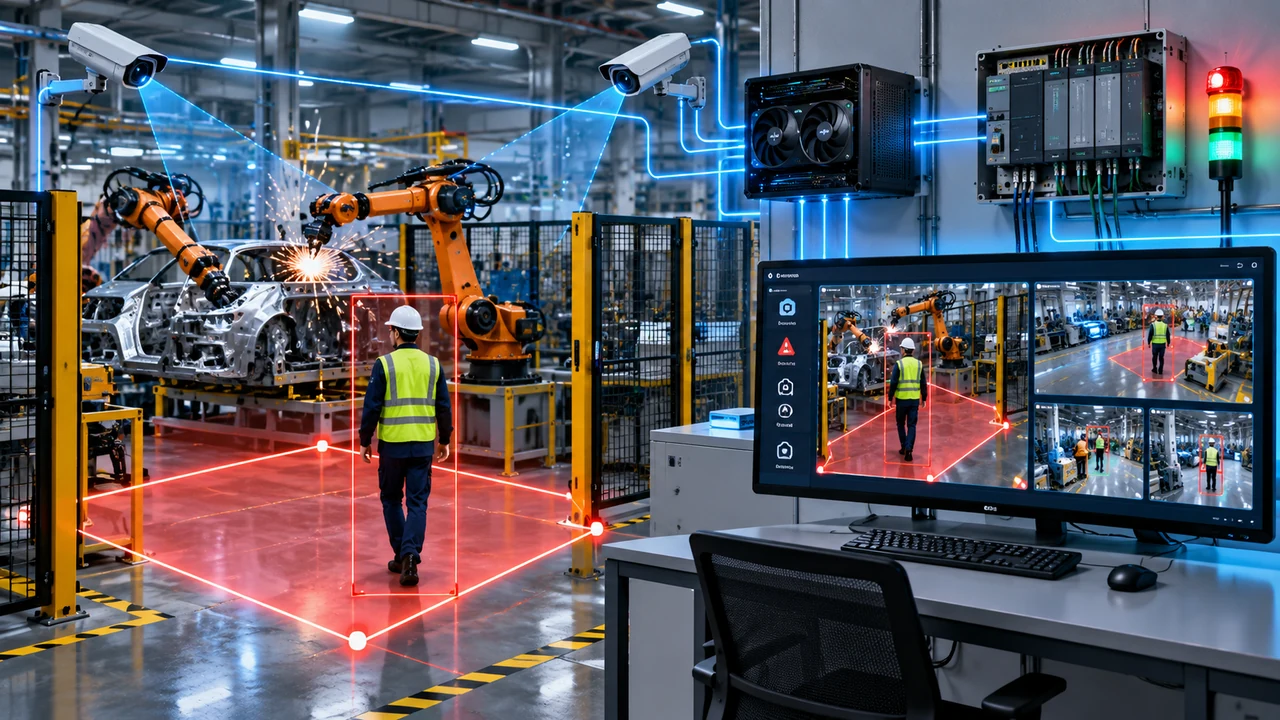
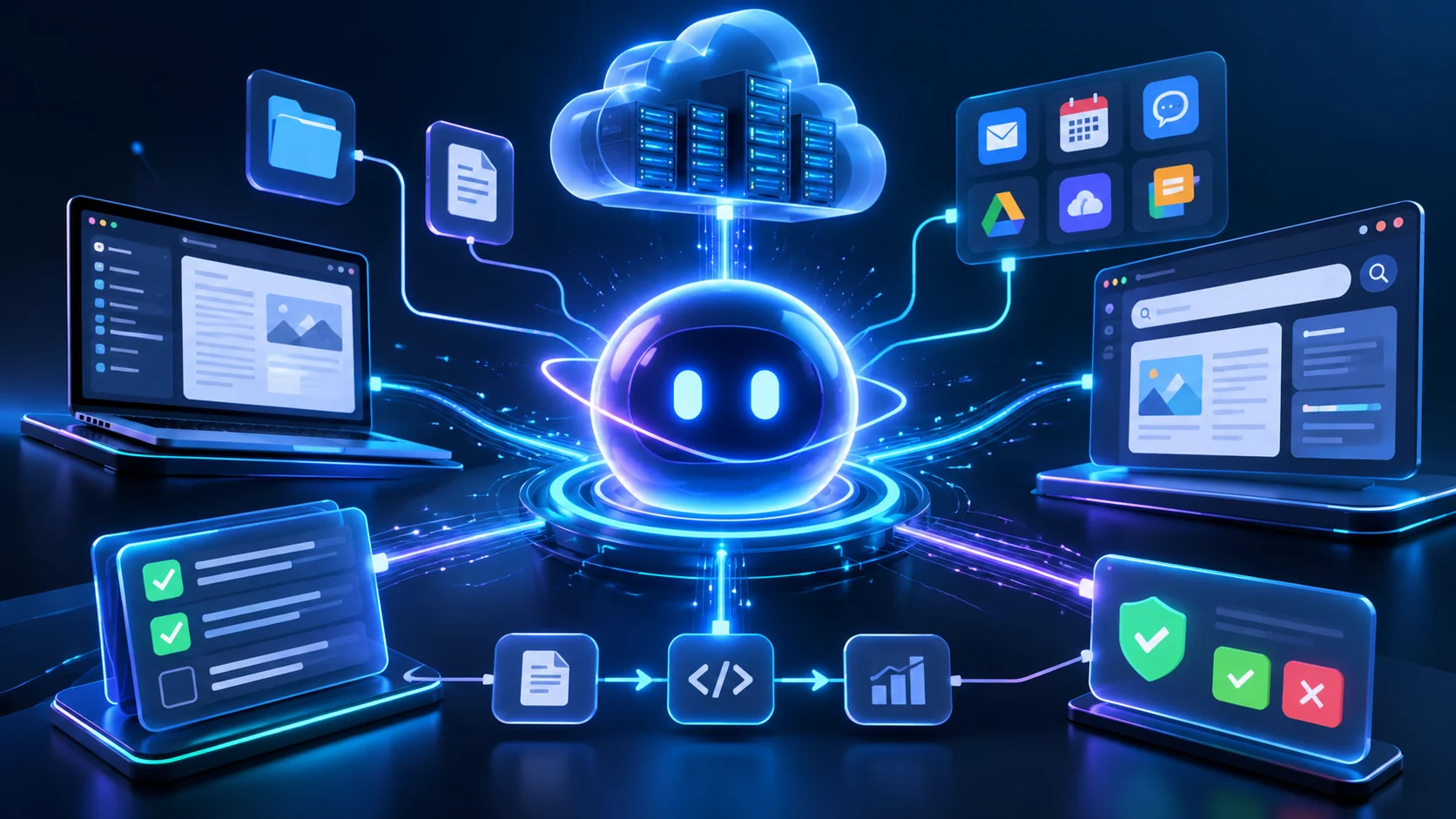
Real guardrails live in permissions, data access, validation, rate limits, approval steps and monitoring.
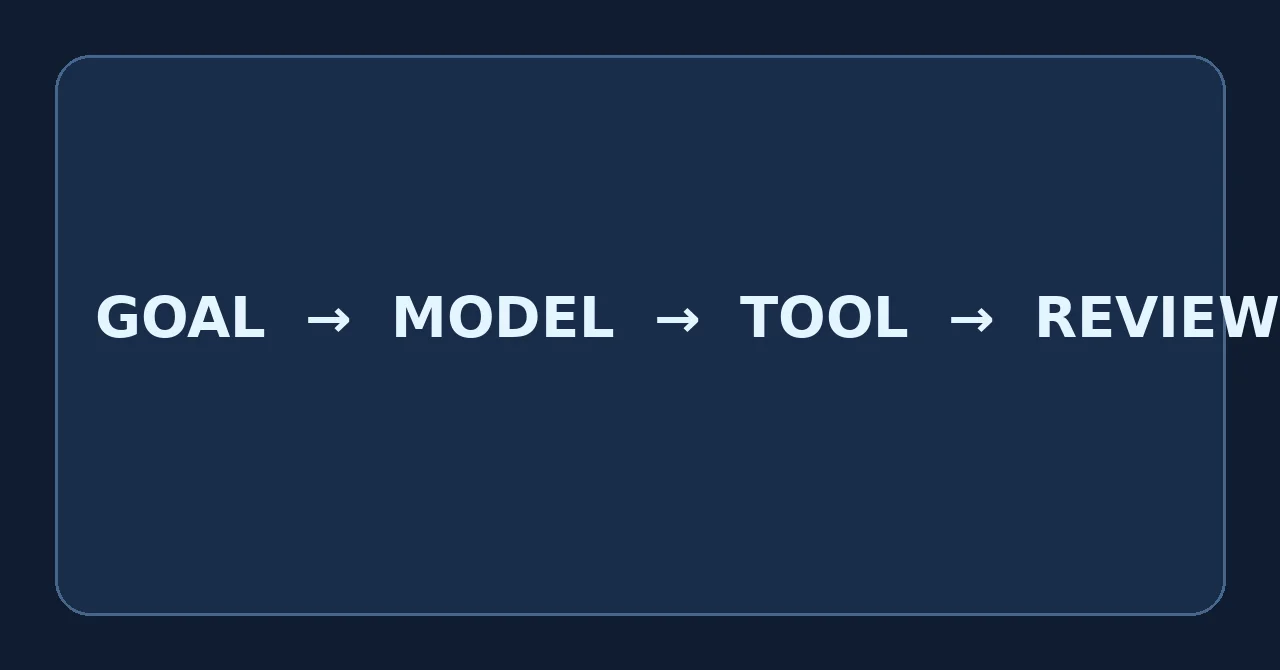
Use input controls, model instructions, tool permissions, output validation and post-action monitoring, with human approval for high-impact work.
Where This Creates Real Value
Apply least privilege: read before write, narrow scope before broad scope, reversible actions before irreversible actions.
Repetitive, measurable work with clear source data and reversible actions.
Vague processes, high-impact decisions with no verification path, or tasks that rarely repeat. Apply this specifically to ai agent guardrails safety 2026 and support the answer with one measurable example.
A Practical Implementation Plan
For AI agent guardrails, implementation quality usually matters more than model hype. A useful pilot can be built around five stages.
- Define the outcome. Write one sentence describing what “done” means.
- Map required data. Separate trusted system data from unverified external content.
- Limit permissions. Give the workflow only the tools required for the task.
- Add checks. Validate outputs before high-impact actions.
- Measure and iterate. Compare the automated workflow with the previous baseline.
Risks and Failure Modes to Test
Frequently Asked Questions
What does AI agent guardrails mean?
Agent guardrails are system controls around what an AI can see, decide and change, not just a sentence in a prompt.
What is the safest way to start?
How should results be measured?
Sources and Further Reading
How to evaluate AI Agent Guardrails: How to Keep Autonomous Workflows Safe in 2026 in practice
The practical question for AI Agent Guardrails: How to Keep Autonomous Workflows Safe in 2026 is not whether the demo works once, but whether the system keeps producing useful results when inputs, tools and user expectations vary. Define one measurable success criterion before choosing a framework.
Pay particular attention to observability. Write down what evidence would show the feature is helping, which failure would be unacceptable, and who is allowed to approve or reverse an action when the system is uncertain.
A production review of AI Agent Guardrails: How to Keep Autonomous Workflows Safe in 2026 should include a baseline without the new AI capability, a representative test set, cost and latency measurements, and examples where the system is expected to abstain or ask for help. This makes improvement falsifiable instead of anecdotal.
If the topic depends on a vendor model or external service, verify current limits, retention rules, permissions and pricing before deployment. Architecture should tolerate those details changing without forcing a complete rewrite. Apply this specifically to ai agent guardrails safety 2026 and support the answer with one measurable example.